
PCOS/PCOD Clinic in PCMC
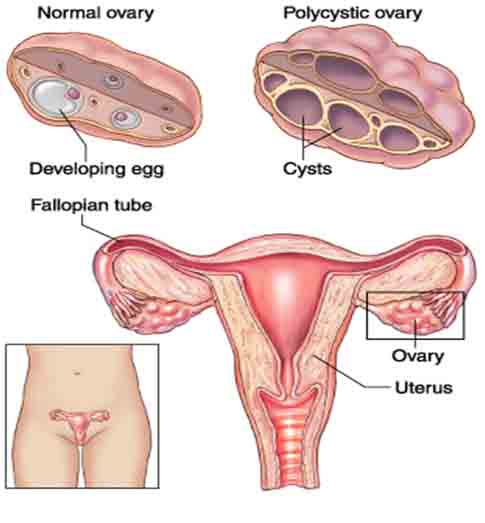
PCOS/PCOD Clinic in PCMC – Understanding Hormonal Balance
Polycystic Ovarian Syndrome (PCOS), also referred to as Polycystic Ovarian Disease (PCOD), is a common hormonal condition that affects many women of reproductive age. It can influence menstrual regularity, weight management, fertility potential, metabolic health, and overall well-being.
The PCOS/PCOD clinic in PCMC focuses on evaluating symptoms, understanding individual health patterns, and supporting hormonal balance through a personalized approach.
What Is PCOS / PCOD?
PCOS and PCOD are terms used to describe a hormonal imbalance that affects ovarian function. Women with this condition may have multiple small follicles on their ovaries, irregular menstrual cycles, and altered hormone levels. These changes can impact daily life, energy levels, and reproductive health.
Hormones and Ovarian Function
Common Signs and Patterns
- Irregular or absent menstrual cycles
- Unexplained weight fluctuations
- Acne and oily skin
- Excess body or facial hair
- Difficulty in sustaining regular ovulation
Recognizing these patterns early can guide the support process.
How PCOS / PCOD Affects Health
Metabolic and Insulin Factors
What Happens at a PCOS/PCOD Clinic in PCMC
A comprehensive approach begins with understanding the individual’s health history, symptoms, and lifestyle. At a PCOS/PCOD clinic in PCMC, the initial steps often include a detailed review of menstrual patterns and hormone levels.
Assessment and Evaluation
- Detailed health history and symptom review
- Observation of menstrual regularity or irregularity
- Evaluation of hormone levels through appropriate testing
- Assessment of metabolic markers if needed
This kind of evaluation provides insight into how hormonal balance is functioning and supports informed guidance.
Personalized Support Plans
Daily Practices That Support Hormonal Balance
Nutritional and Lifestyle Factors
- Eating a balanced diet with ample fiber, proteins, and whole foods
- Staying hydrated throughout the day
- Avoiding excessive processed foods and sugars
- Incorporating gentle physical activity such as walking or light stretching
Stress and Sleep Patterns
- Stress can influence hormone levels and menstrual patterns
- Quality sleep supports cellular and endocrine health
- Mindfulness practices or meditation may help manage stress and emotional well-being
Lifestyle adjustments align with ongoing guidance from a PCOS/PCOD clinic in PCMC, helping women navigate hormonal balance with awareness and consistency.
Conclusion
The PCOS/PCOD clinic in PCMC aims to provide clarity around hormonal patterns, menstrual health, and overall metabolic balance. By combining a detailed assessment with individualized guidance — including lifestyle practices — women can better understand their bodies and make informed choices. Recognizing the interconnected nature of hormones, metabolism, and daily habits is key to managing long-term well-being.