
Infertility Clinic in PCMC
Home > Infertility Clinic in PCMC
Infertility Clinic in PCMC – Female and Male Infertility Support
One of life’s greatest gifts is the ability to create a family. When couples face difficulty conceiving, it can be a frustrating and emotional journey. Infertility is defined as the inability to achieve pregnancy despite regular unprotected intercourse for over a year. Women who conceive but cannot sustain pregnancy may also experience infertility.
At our infertility clinic in PCMC, we provide guidance and structured female infertility treatment in PCMC, addressing both physical and emotional well-being.
Understanding the Steps of Pregnancy
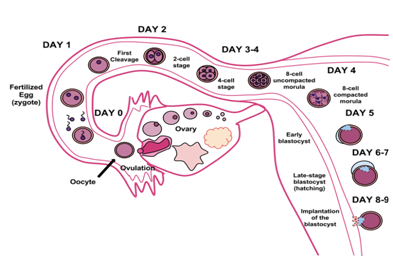
Ovulation
Fertilization
Implantation
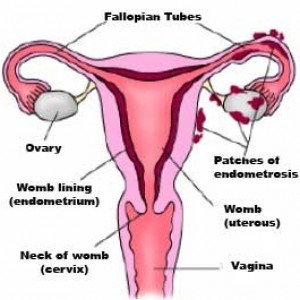
The fertilized egg needs to embed itself into the uterine lining. Any disruption in these steps can contribute to infertility.
Infertility treatment in PCMC focuses on identifying and addressing issues at each stage to support natural conception.
Common Causes of Female Infertility
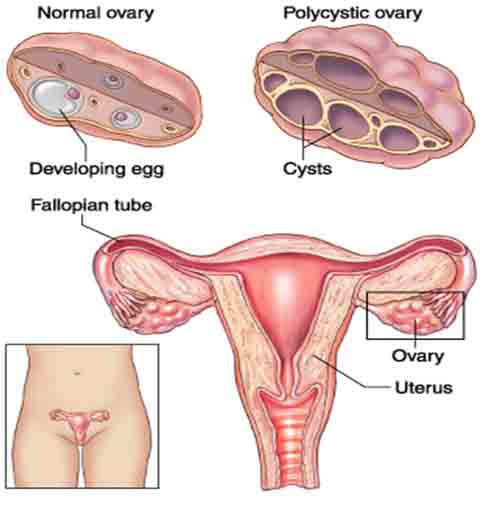
Polycystic Ovarian Disease (PCOD)
Symptoms vary among women and may include:
- Irregular or absent periods
- Scanty menstruation
- Excessive facial or body hair (hirsutism)
- Acne or pimples
- Hair thinning or alopecia
- Skin tags
- Fatigue and low mental alertness
- Weight changes and associated health risks
PCOD is often linked to anovulatory cycles, which are a major cause of female infertility.
Anovulatory Cycles
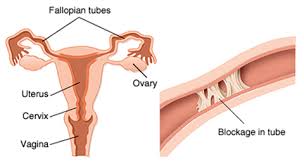
Fallopian Tube Block (Tubal Block)
The Fallopian tubes are essential for transporting eggs from the ovaries to the uterus. Blockages can prevent fertilization and pregnancy. Causes include:
- Pelvic Inflammatory Disease (PID)
- History of sexually transmitted infections
- Prior pelvic surgeries, appendectomy, or ectopic pregnancy
- Recurrent urinary tract infections or tuberculosis
Uterine Fibroids
Fibroids are noncancerous growths in the uterus. While some women experience no symptoms, fibroids can cause:
- Heavy or prolonged menstrual bleeding
- Pelvic pain and pressure
- Frequent urination or constipation
- Iron deficiency anemia due to excessive bleeding
The size and location of fibroids often determine their impact on fertility.
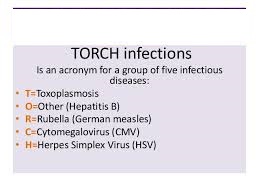
TORCH Complex
TORCH refers to infections that can affect pregnancy and fetal development:
- Toxoplasmosis (T)
- Rubella (R)
- Cytomegalovirus (C)
- Herpes Simplex Virus (H)
Positive TORCH tests are associated with recurrent pregnancy loss and infertility.
Stress Factor
Chronic stress contributes significantly to infertility. Psychological and emotional pressures can cause hormonal imbalances that affect ovulation and overall reproductive health. Symptoms of stress include:
- Anxiety and worry
- Depression and mood fluctuations
- Sleep disturbances
- Reduced libido
- Irritability
Stress management is an essential component of female infertility treatment in PCMC.
Common Causes of Male Infertility

Male infertility may result from:
- Varicocele (enlarged veins in the testicles affecting sperm quality)
- Low sperm motility or abnormal shape
- Lifestyle factors like alcohol, smoking, or drugs
- Hormonal imbalances or health conditions (kidney disease, mumps)
- Exposure to radiation, chemotherapy, or environmental toxins
Management and Treatment Approaches
Infertility treatment in PCMC at our clinic focuses on restoring balance and supporting reproductive function using Ayurvedic therapies, including Panchakarma treatments.
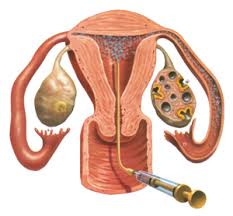
Uttarbasti Therapy
- Indications include:
- PCOD / PCOS
- Anovulatory cycles
- Fallopian tube blockages
- Irregular menstruation
- Uterine fibroids
- Cervical polyps
- Benefits:
- Improves the uterine lining for implantation
- Stimulates ovary to enhance egg quality
- Supports sperm passage and fertilization
For males, Uttarbasti can stimulate the prostate, epididymis, and spermatogenesis, supporting healthy sperm production.
- Indications for males:
- Oligospermia or Asthenospermia
- Prostate enlargement
- Urinary issues and incontinence
Shirodhara Therapy
Shirodhara is a relaxation technique where warm medicated oil is poured continuously on the forehead. This therapy:
- Reduces stress and nervous tension
- Supports hormonal balance
- Improves mental focus, memory, and sleep
- Promotes emotional well-being and confidence
- Enhances overall energy and vitality
Regular Shirodhara is particularly beneficial in supporting female infertility treatment in PCMC, as stress is a major contributing factor.
Conclusion
At our infertility clinic in PCMC, both male and female infertility are addressed through a combination of Ayurvedic therapies, Panchakarma treatments, and lifestyle guidance. From Uttarbasti to Shirodhara, the focus is on restoring balance, supporting reproductive organs, and improving overall wellness. Structured infertility treatment in PCMC empowers couples with natural, long-term solutions while emphasizing emotional and physical well-being.